Listed in the report
- 60 invisible Unicode code points, including zero-width spaces and BOM
- U+202F narrow no-break spaces common in ChatGPT copy-paste
- Raw Markdown hashes, asterisks, and code fences left on the clipboard
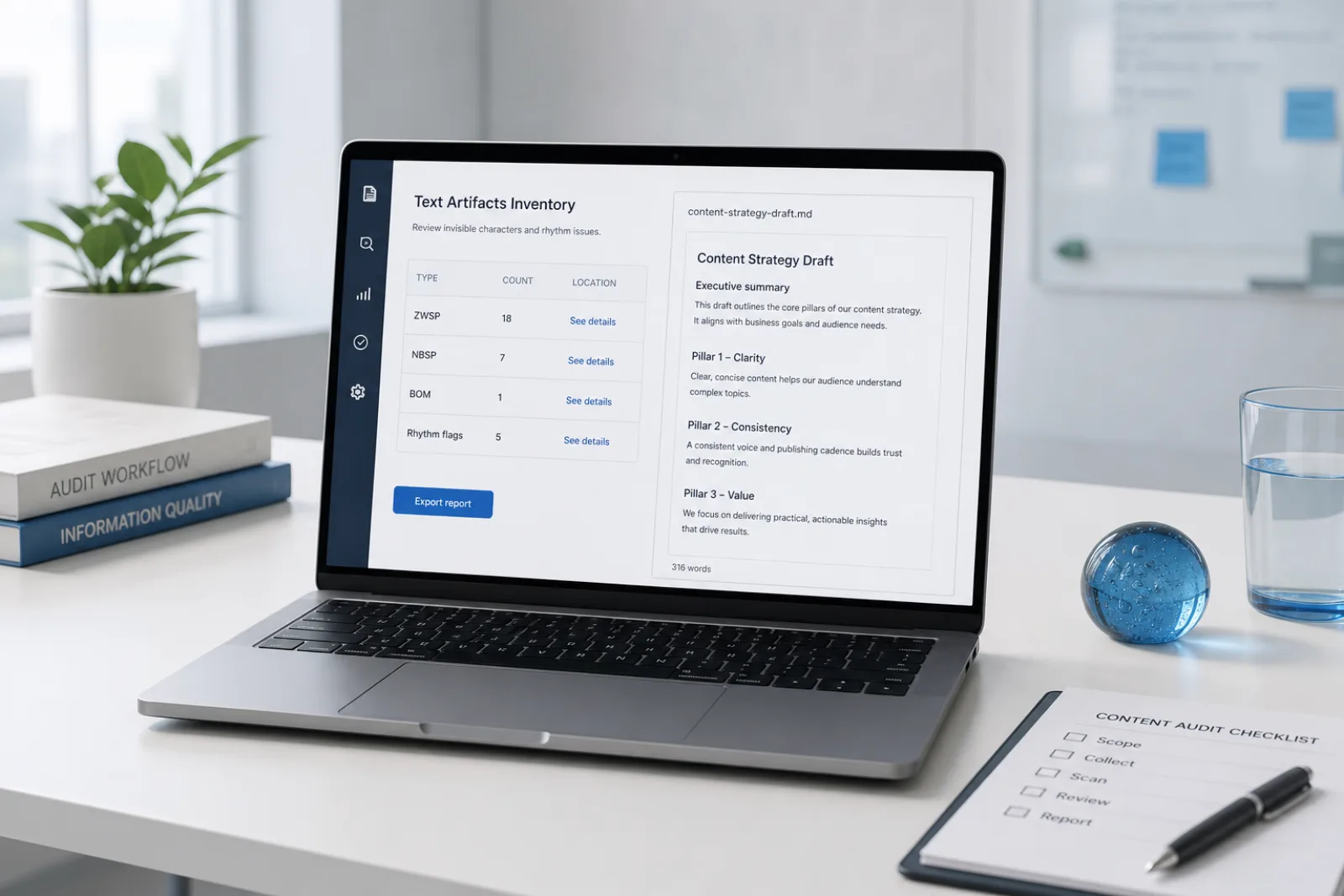
Text Watermark Detector lists residual glyphs and rogue zero-width spaces. It is an inventory, not a probability score.
The report is a character inventory, not an authorship score. Use it to inspect residue before you clean or rewrite.
See it in action
Understand the difference between verifiable physical Unicode residue and private statistical sampling watermarks.
Sure! Here’s a summary — **Key points** - First item > Note: important
Sure! Here's a summary —

Key points
• First item
Note: important
Why
Text Watermark Detector lists residual glyphs and rogue zero-width spaces. It is an inventory, not a probability score.
Physical non-printing characters, U+202F narrow spaces, zero-width delimiters, and markdown tokens left on your clipboard. Our detector lists these artifacts with exact code points and positions for immediate local cleanup.
Proprietary token distribution biases embedded during model sampling (such as Claude's 2026 watermark). These contain no hidden characters and cannot be detected without provider-held private keys.
Invisible-character and Markdown cleaning run locally in your browser. We don’t store Free-tool text.
How
Paste your text into the workspace to scan for 60 invisible Unicode code points, U+202F spaces, and markdown formatting syntax.
Inspect the generated inventory of detected characters, complete with Unicode hex values, character names, and exact string offsets.
Strip detected characters instantly using our free local cleaning tools, or switch to Pro semantic rewriting to reconstruct repetitive sentence structures.
Features
Detects zero-width spaces, NNBSP, BOM, directional marks and 60+ other invisible code points without rewriting your words.
Strip headings, lists, quotes, and emphasis markers into plain text ready for CMS and editorial review.
Pro rewrite regenerates meaning-preserving text when a watermark is baked into wording — not just hidden Unicode.
Rewrite AI flavor into more natural cadence. No tool can guarantee detector bypass; results vary.
Definition
This detector page exists for the query without the “AI text” prefix. The product still only lists what it can see: hidden Unicode artifacts and zero-width leftovers.
There is no authorship percentage. Probabilistic guesses are out of scope. Claude’s official sampling watermark is not a glyph you can tick off this list.
After you have the list, clean locally or leave the words alone. Reconstruction is a different tab and still not a Turnitin promise.
Use it in QA when a document “has something invisible.” If you needed a provider verification API, that API is not public here.
Sources
Hidden Unicode, Markdown residue, and Claude’s official statistical watermark are three mechanisms. This page cites the public specs; it does not claim detector bypass.
| Mechanism | What it is | What this site does |
|---|---|---|
| Invisible Unicode | Zero-width and format code points (including U+200B and U+202F) that can ride along in a paste. | Free local scan and delete. Does not rewrite sentences. |
| Markdown / rich-text residue | Hashes, fences, emphasis markers, and copied rich-text spacing. | Free local strip to plain text. |
| Statistical wording watermark | A sampling pattern in word choice. Official Claude text watermarks add no hidden characters. | Pro meaning-preserving rewrite. Not a detector score, not a guarantee. |
“Nothing is added to the text and there are no hidden characters.”
“U+200B ZERO WIDTH SPACE is intended for line break control without displaying a visible space.”
Markdown tokens follow the CommonMark specification: CommonMark spec.
Use cases
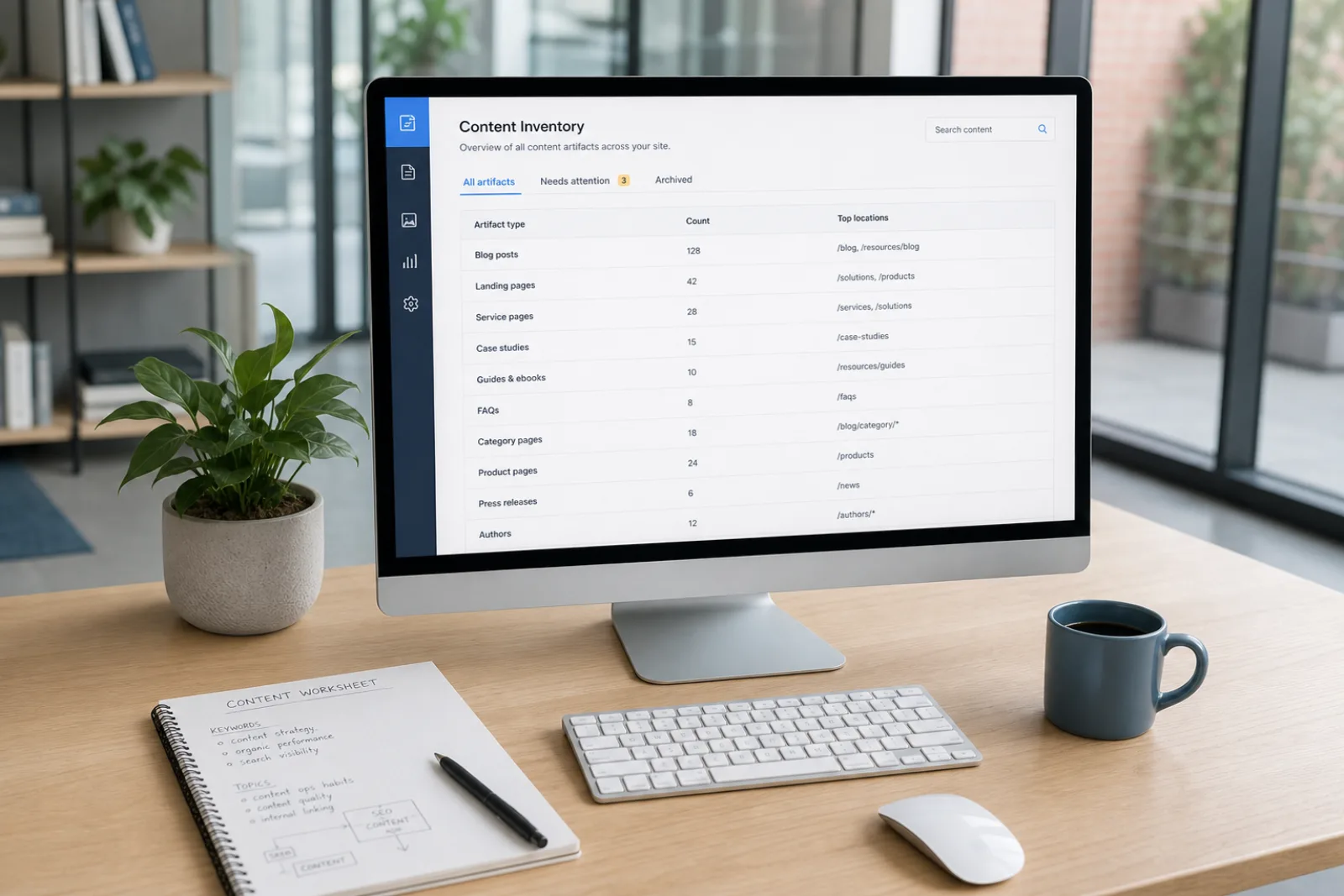
Use it in QA when a document “has something invisible.” If you needed a provider verification API, that API is not public here.
Open the tool →
There is no authorship percentage. Probabilistic guesses are out of scope. Claude’s official sampling watermark is not a glyph you can tick off this list.
Open the tool →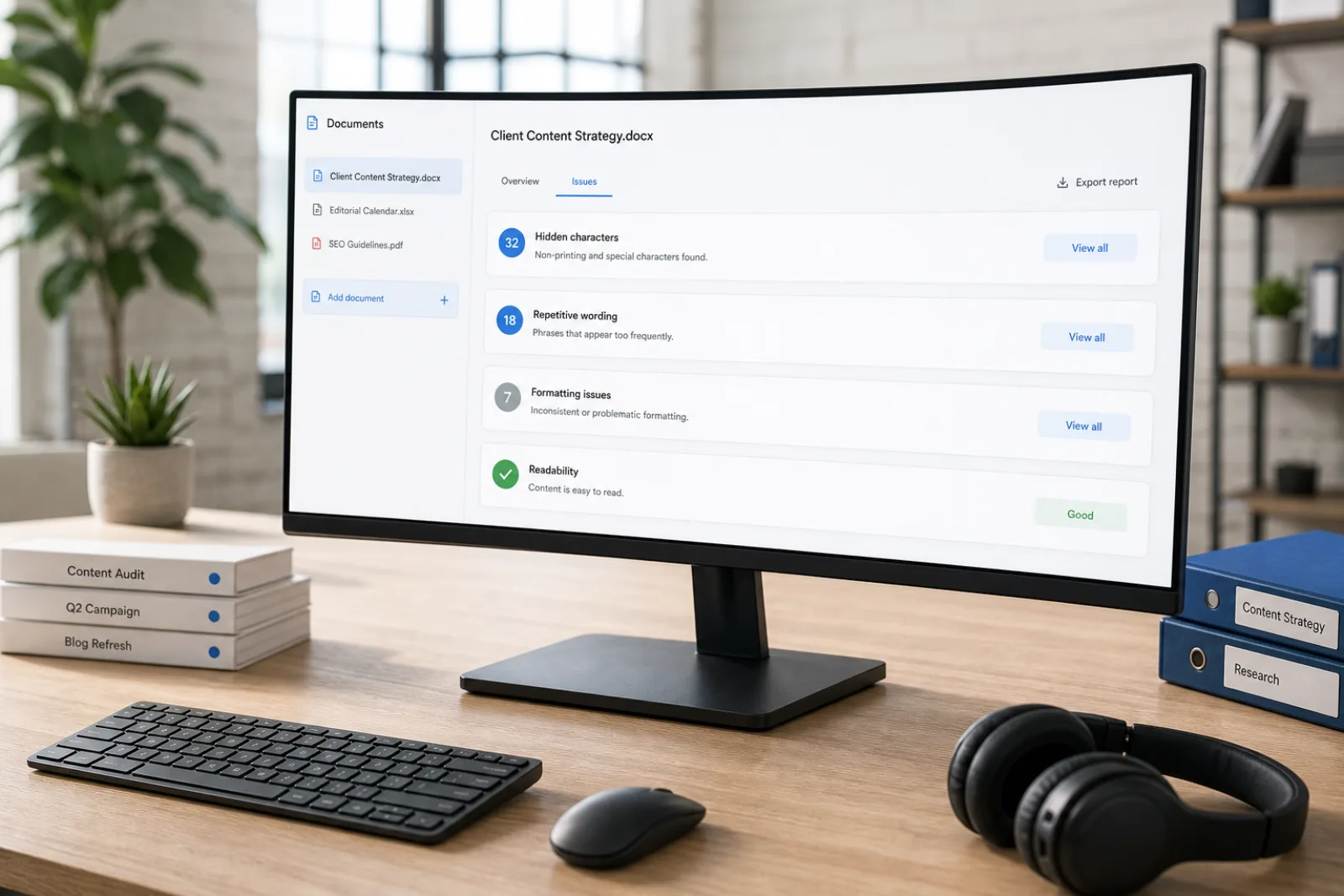
No. It is not a probability score. You get a clear list of detected residue, not an AI-likelihood percentage.
Open the tool →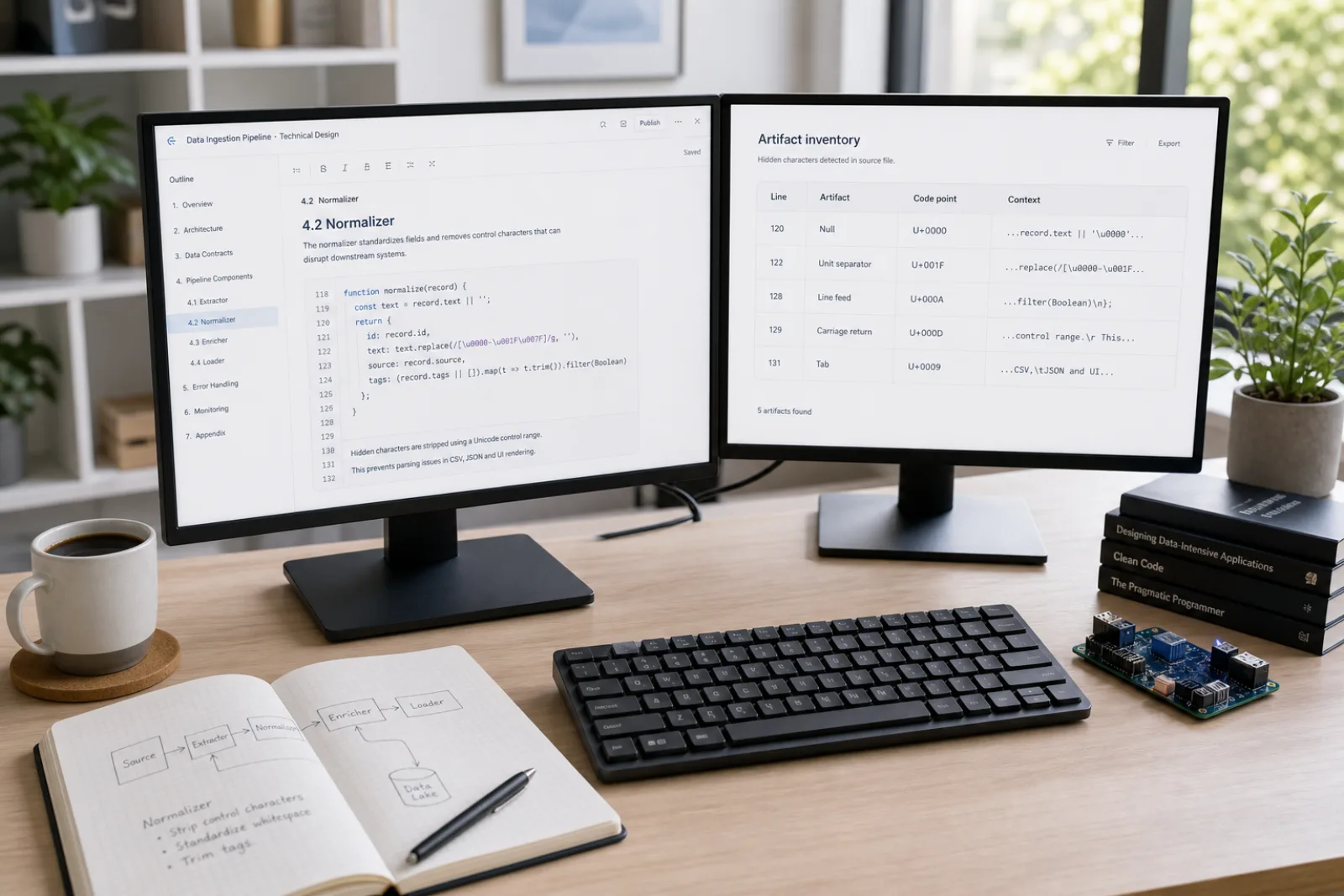
No. We do not promise Turnitin or GPTZero outcomes. Glyphs are not those systems.
Open the tool →Testimonials
“The free scan lists the code points. I clean the paste in the browser, then only use Pro if the wording itself needs a rewrite.”
Content ops
SEO & CMS
“Markdown from chat was breaking our editor. Stripping hashes and fences locally is the whole job — no file upload.”
Editorial
Publishing
“Hidden Unicode broke string equality in a parser. Character cleanup first; sentence rewrite is a different layer.”
Engineering
Docs & support
Tools
Dedicated landing pages for the searches people actually type.
Inspect and list 60 invisible Unicode characters, U+202F narrow spaces, and markdown formatting artifacts in pasted text with transparent, honest reporting.
AI Watermark Detector →Strip 60 invisible Unicode characters, zero-width spaces, narrow non-breaking spaces, and hidden control marks from pasted text 100% locally in your browser.
Invisible Character Remover →Understand how generative AI embeds statistical wording watermarks, clean surface Unicode paste residue for free, and reconstruct wording with Pro rewriting.
Text Watermark Remover →Pricing
Scanning and cataloging text residue is always 100% free in your browser, with Pro credits available for sentence restructuring.
See pricingThis tool detects only physical Unicode characters and markdown formatting residue. It does not provide AI probability scores, cannot detect Anthropic's statistical Claude watermark or Google SynthID, and does not claim to assist in evading academic integrity tools like Turnitin, GPTZero, or Pangram. Official model verification remains private to model creators.
FAQ
No. It is not a probability score. You get a clear list of detected residue, not an AI-likelihood percentage.
No. That mark is not hidden characters. Free scan cannot remove it either, and this page does not claim to verify it.
Hidden Unicode artifacts, rogue zero-width spaces, and related paste marks the local scanner knows—up to 60 invisible code points.
The listing pass runs in the browser. Pro rewrite is optional and separate.
Same inventory tool, shorter keyword. Both refuse probabilistic guesses.
No. We do not promise Turnitin or GPTZero outcomes. Glyphs are not those systems.
About us
Use it in QA when a document “has something invisible.” If you needed a provider verification API, that API is not public here.
Text Watermark Detector lists residual glyphs and rogue zero-width spaces. It is an inventory, not a probability score.